Rewatching Hello, Dolly! (1969): A Misunderstood Roadshow Gem
On my recent rewatch of Hello, Dolly! I was struck by how much more alive and charming it feels than its reputation suggests. For years it has been filed away as the bloated late sixties roadshow musical that appeared just as Hollywood was pivoting towards the likes of Bonnie and Clyde, Midnight Cowboy and Easy Rider. Yet time has been much kinder to it than that old “expensive flop” narrative would have you believe. Seen now, it is witty, exuberant and full of handmade spectacle. The Harmonia Gardens sequence in particular remains a small marvel of staging, movement and sheer visual glamour.
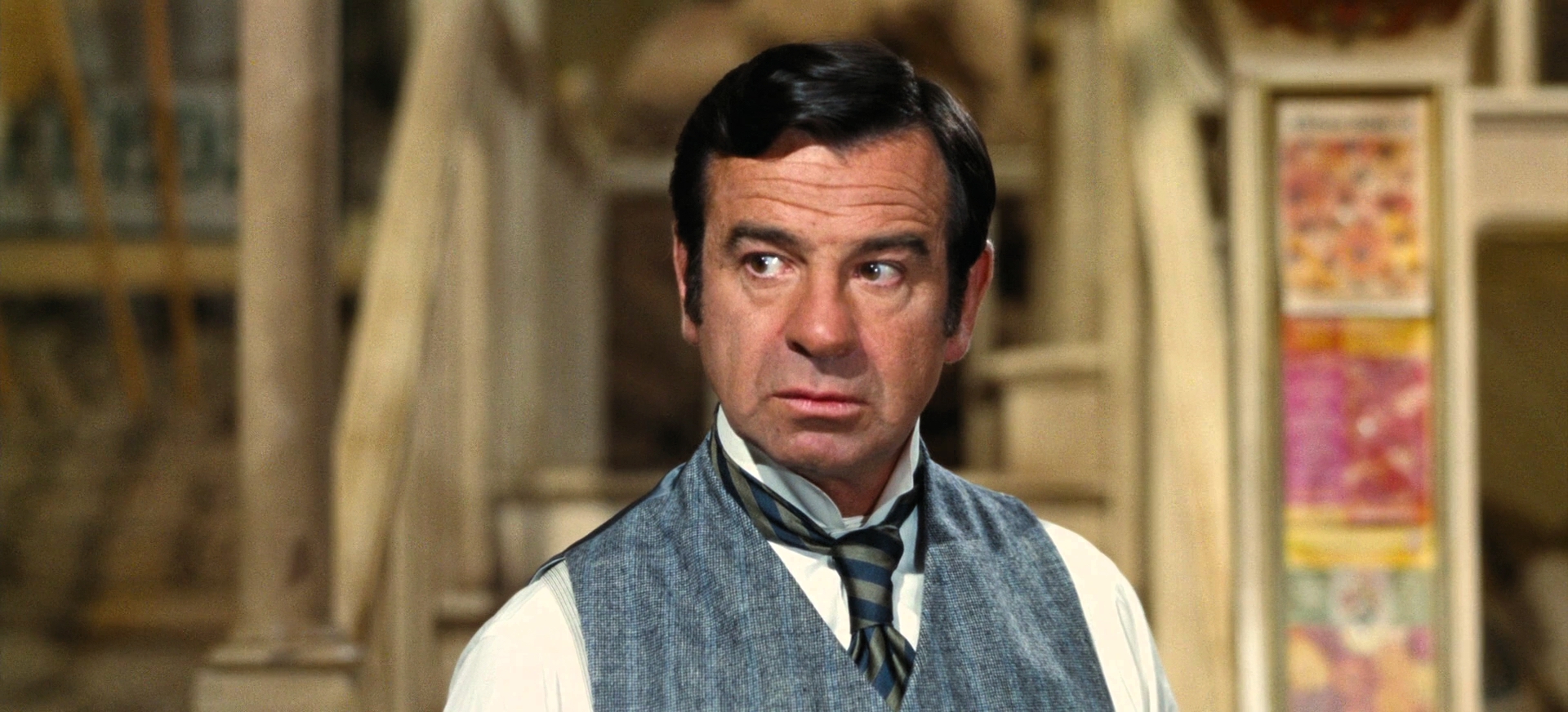
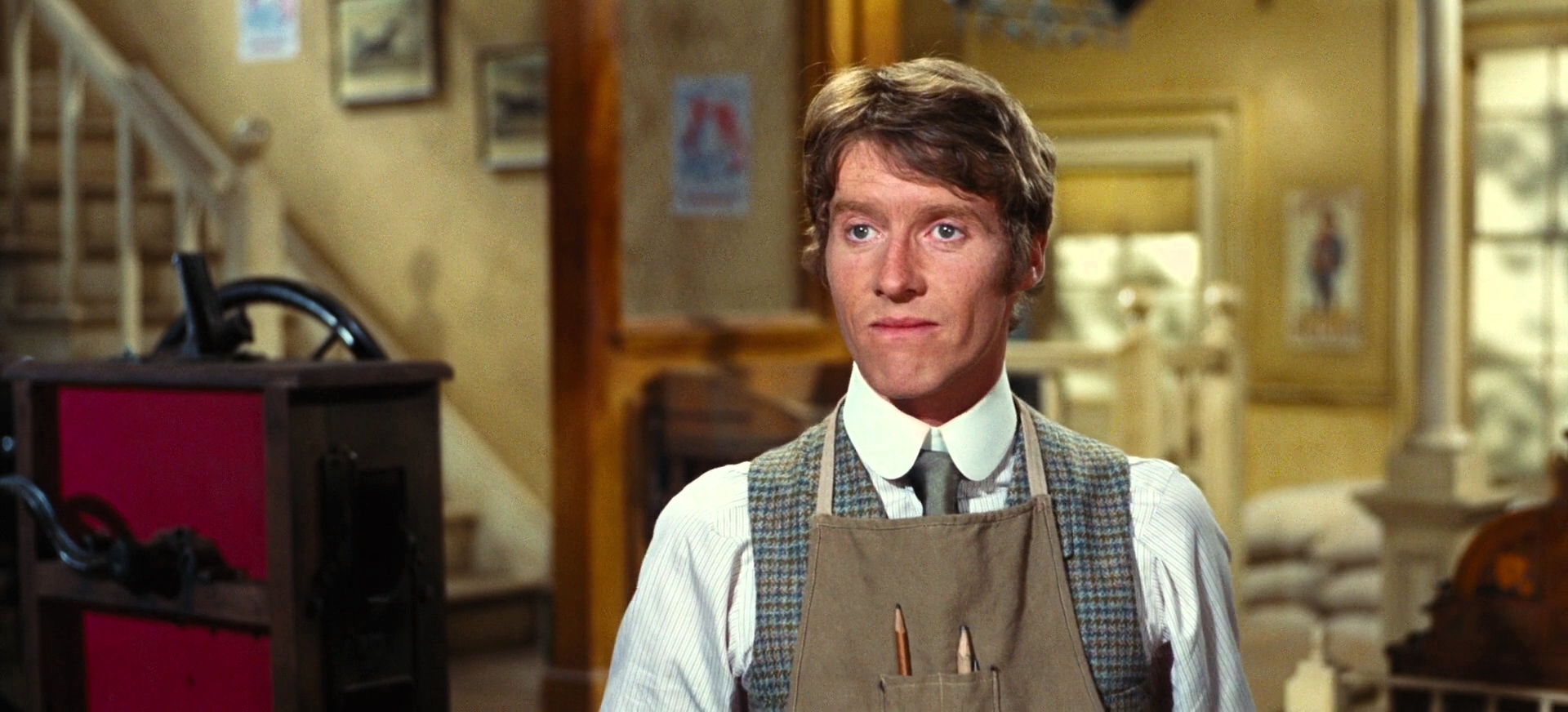
One of the unexpected pleasures of watching it again is Tommy Tune’s strange, wide eyed performance as Ambrose Kemper. What reads today as camp mugging was very much in line with director Gene Kelly’s idea of a heightened, vaudeville inflected Yonkers. Tune’s elastic physicality plays beautifully against Walter Matthau’s granite deadpan and Barbra Streisand’s star presence. Kelly clearly encouraged this approach. He wanted bodies, rhythm and joy to carry the comedy rather than dry one liners.
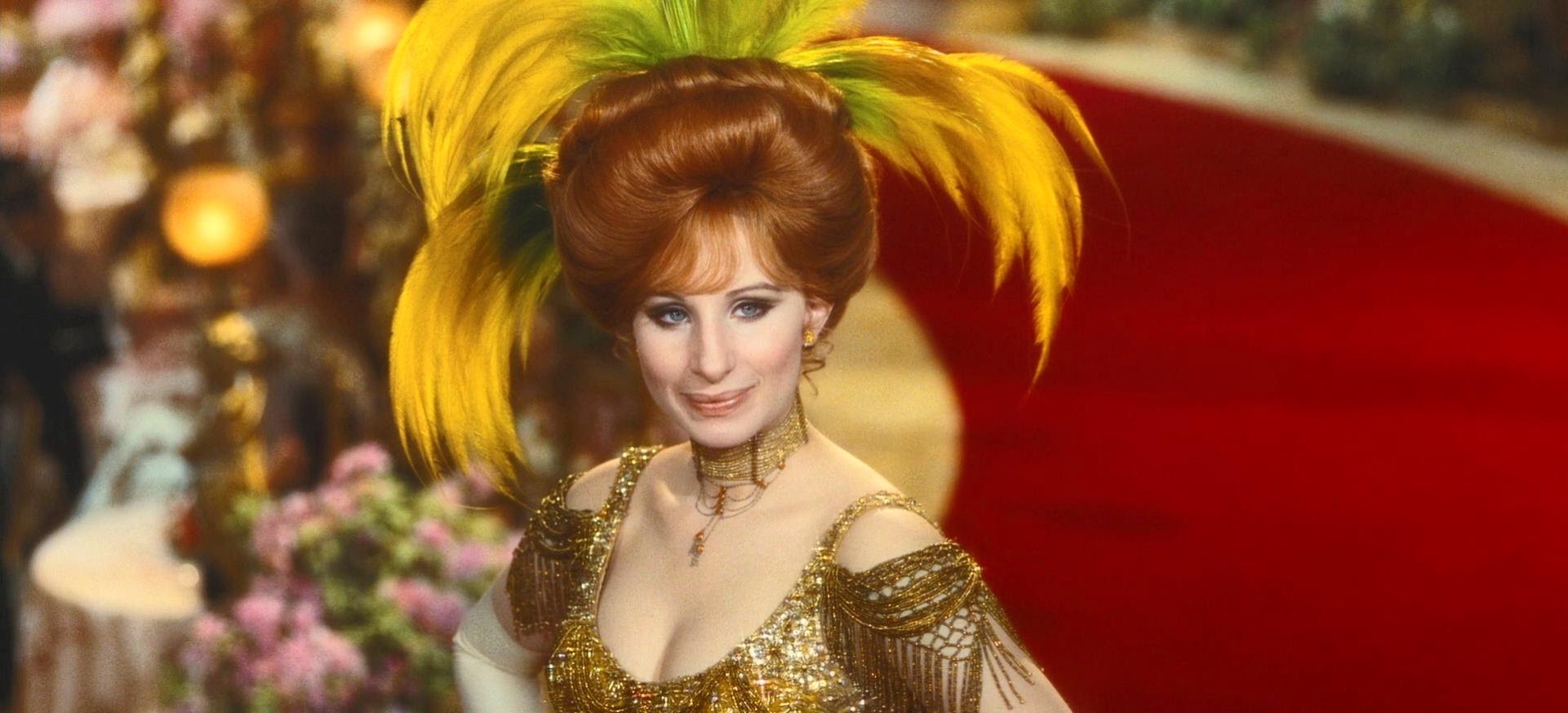
The casting of Streisand is still the most debated aspect of the film. At 26 she was obviously far too young to be playing Dolly Levi, a character written as a worldly widow who has lived and schemed and lost. From the studio point of view, though, it was simple. After the success of The Sound of Music and West Side Story, Fox wanted another prestige musical with a bankable star at its centre, and Barbra Streisand was the hottest property in America. On paper it looks like a mistake. On screen it is more complicated. Her voice is astonishing, the charisma undeniable and by the time she descends the staircase in Harmonia Gardens the age mismatch matters less than the sheer force of the performance.
The real author of the film is arguably not Kelly at all but Ernest Lehman. The opening credit that reads “Ernest Lehman’s Production of…” is not a polite flourish. It is a statement of control. Lehman had adapted and produced West Side Story and The Sound of Music and was seen as the safe pair of hands who could turn a Broadway hit into a glossy roadshow event. He shaped the script, the scale and the overall tone. Kelly was brought in once that package was largely in place. What we end up with is an unusual blend of producer driven spectacle and choreographic wit, rather than a pure Kelly musical.
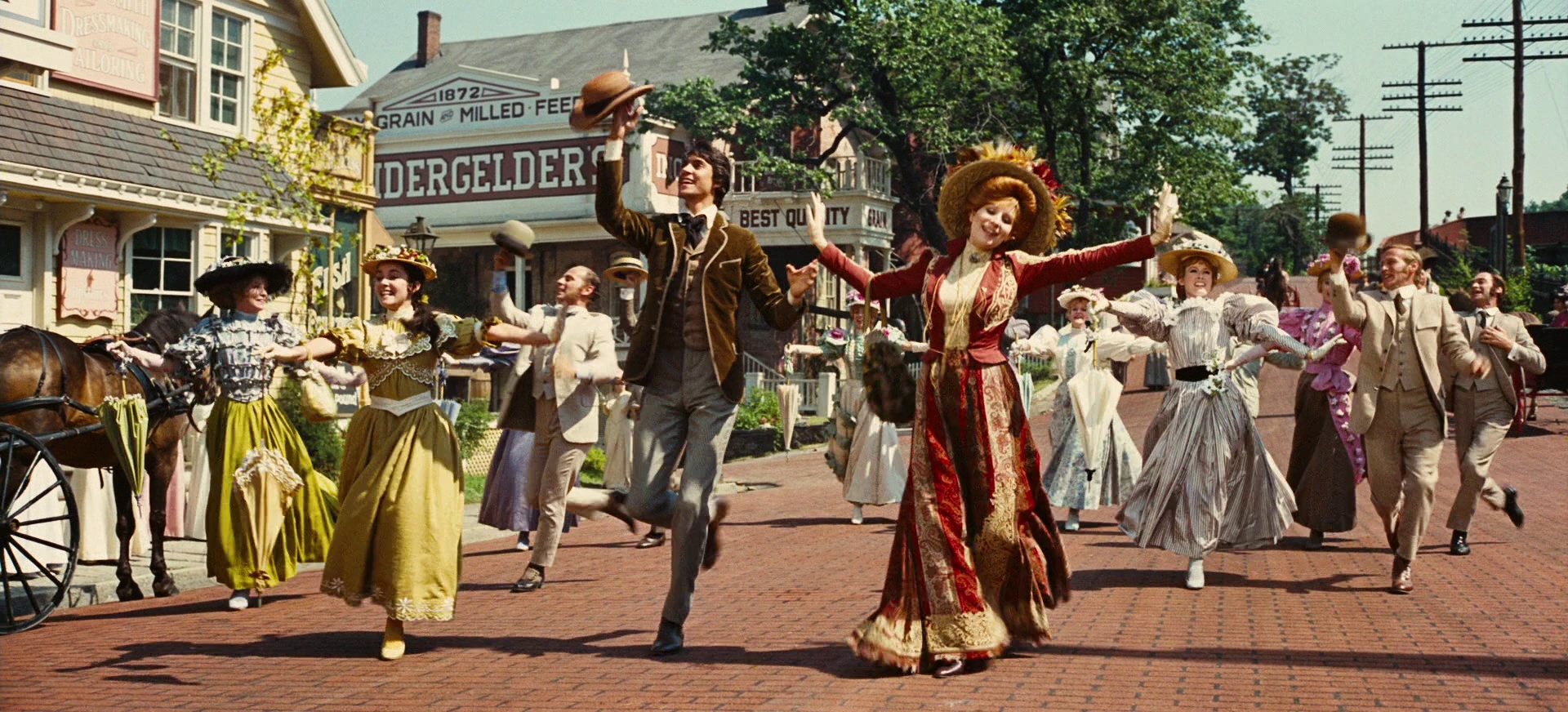
If the film has a genuine technical flaw it is in the lip syncing, particularly in the slower songs. Streisand sings with studio perfection and very little visible physical effort, which creates small mismatches in close up that are hard to unsee once you notice them. It is the one thing that occasionally pulls you out of the moment. The faster numbers, which Kelly edits and choreographs with a dancer’s sense of rhythm, hide the joins far better. In those sequences picture and sound feel completely in step.
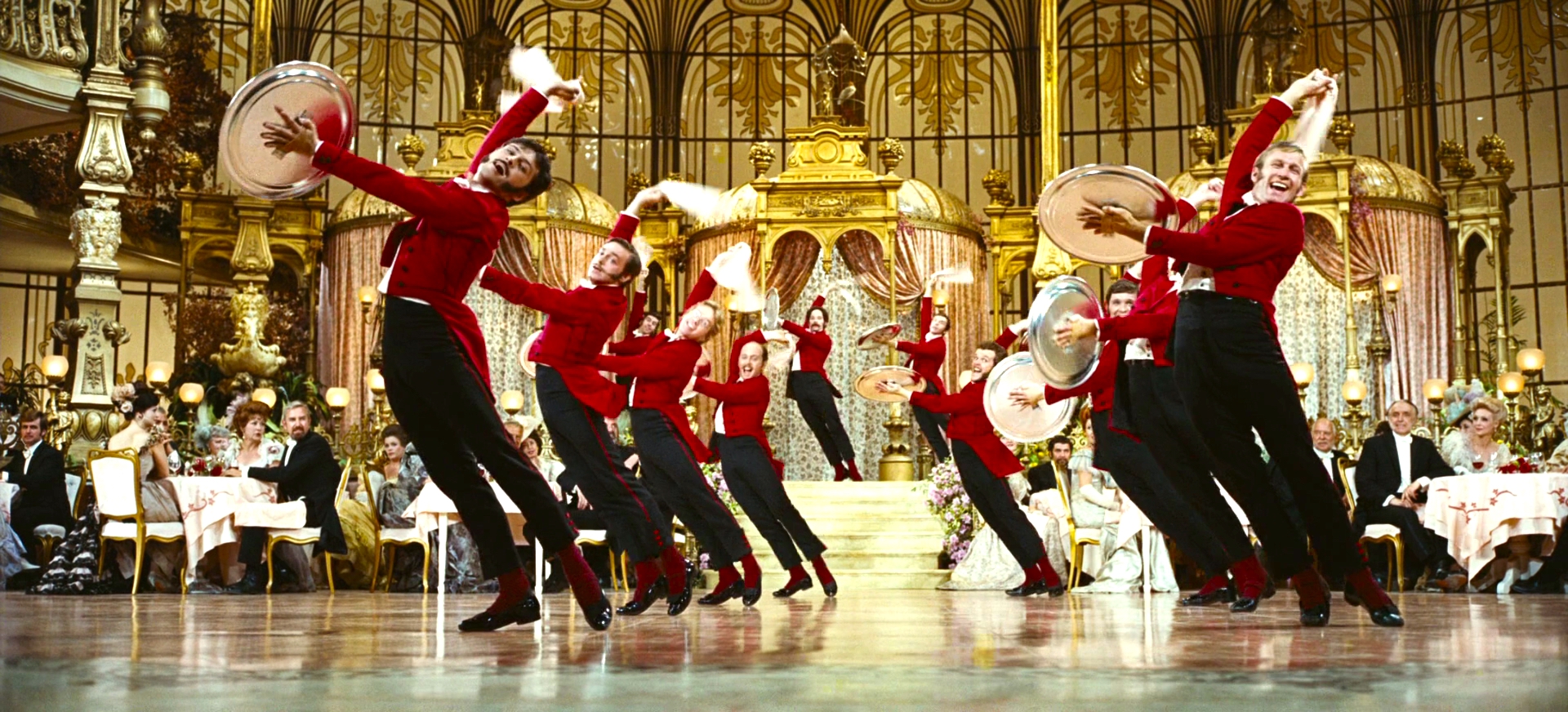
What struck me most on this rewatch, though, was how pleasant the whole film is to sit with. Matthau provides just enough vinegar to keep the syrup from becoming cloying, Michael Crawford, Danny Lockin and Tommy Tune bring a springy innocence, and the ensemble scenes burst with colour and good humour. The sincerity that once seemed hopelessly old fashioned now feels almost radical. In an era that prizes irony, there is something refreshing about a film that believes so wholeheartedly in parades, staircases and romantic new beginnings.
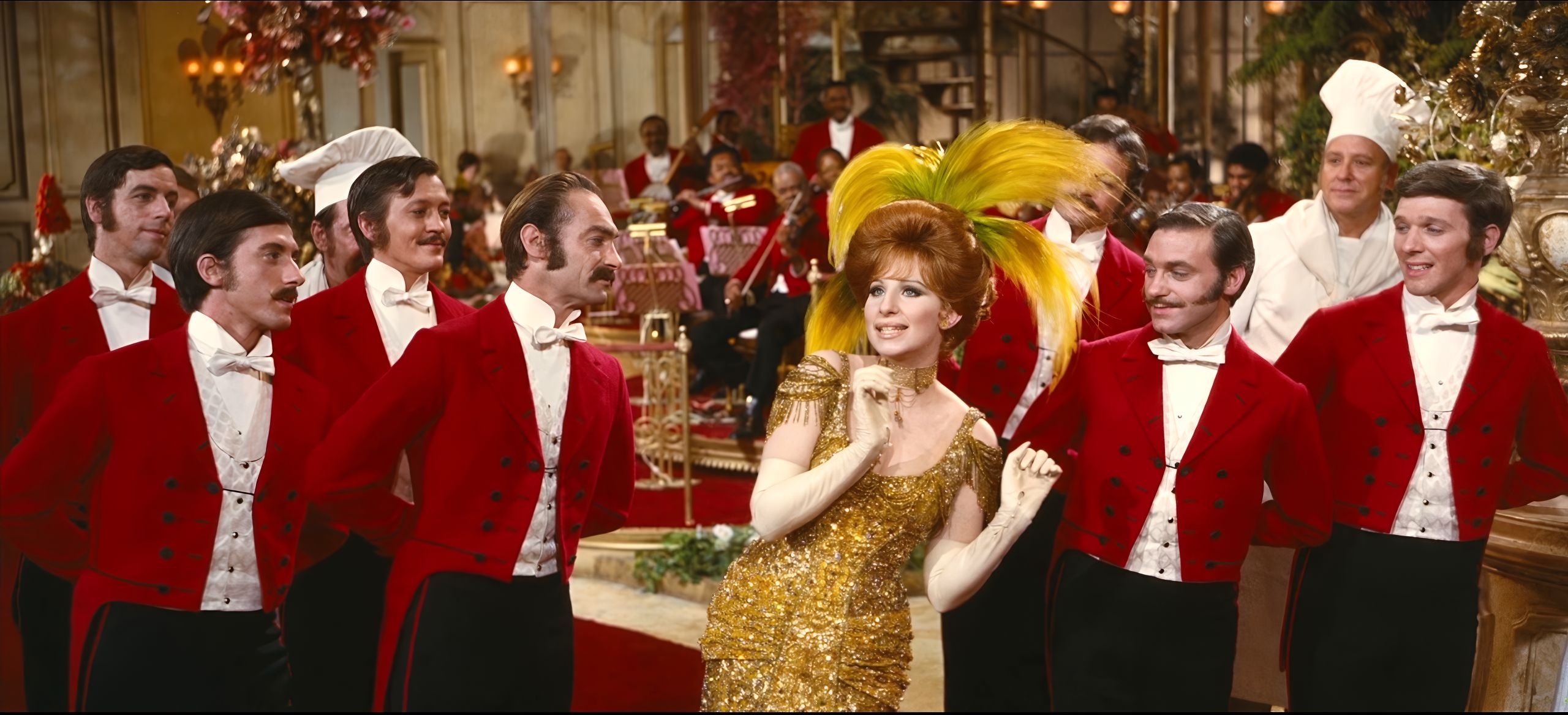
The WALL·E connection has helped too. Pixar’s decision to weave “Put On Your Sunday Clothes” and “It Only Takes a Moment” through the circuitry of that little robot effectively reframed Hello, Dolly! as a romantic artefact of lost humanism. For many younger viewers this is now the film that WALL·E loves, rather than a failed Fox roadshow. It makes Fox and now Disney’s reluctance to give it a full 4K restoration feel like a missed opportunity. The 65mm photography, the sets and the costumes are crying out for proper high resolution treatment, ideally at the hands of the Criterion Collection, who could encourage a more serious reassessment.
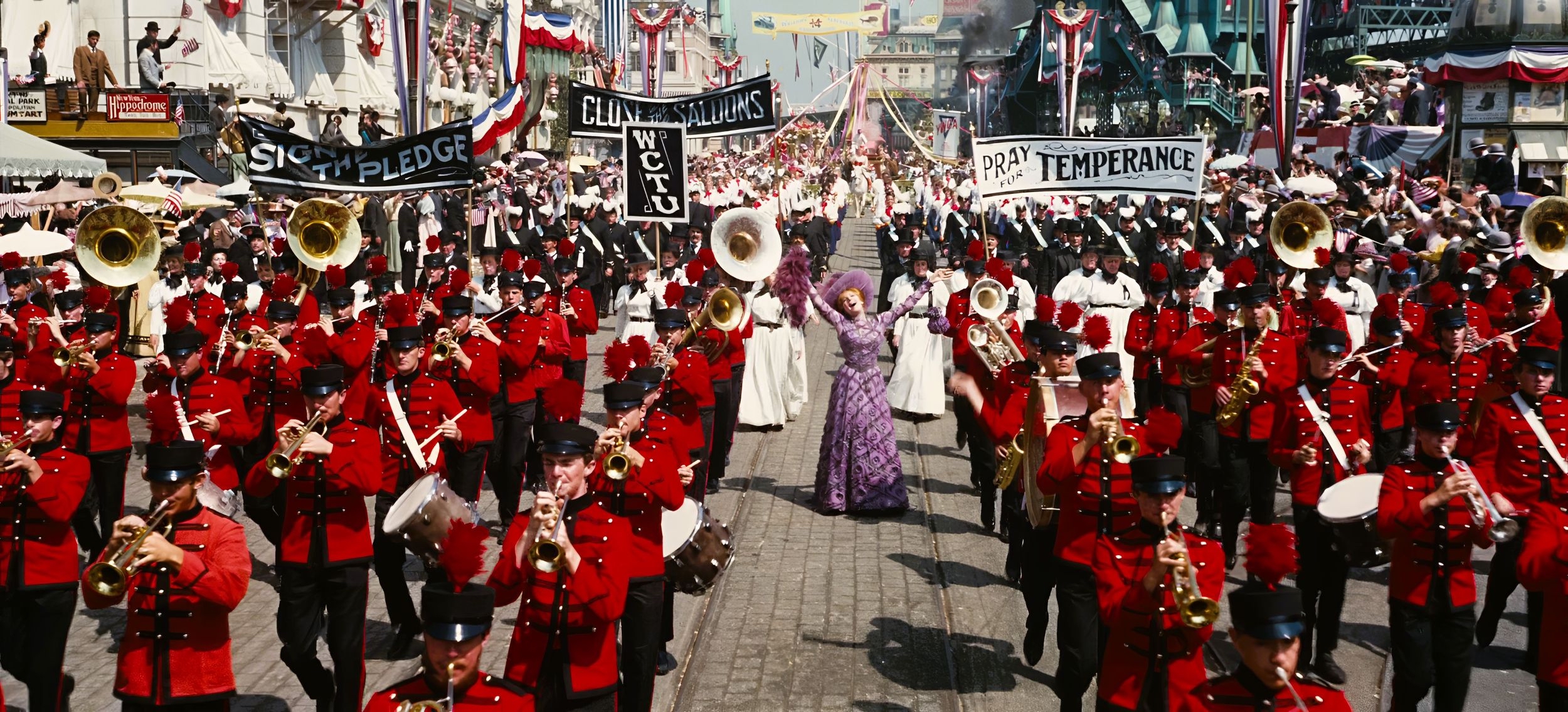
More than fifty years after its debut, Hello, Dolly! no longer feels like a lumbering dinosaur. It plays instead as the last great toast of old Hollywood exuberance. Whatever its flaws, it closes the roadshow era not with embarrassment but with a brass band, a staircase and a wink.