Blue Moon (2025): The Cost of Staying in the Room
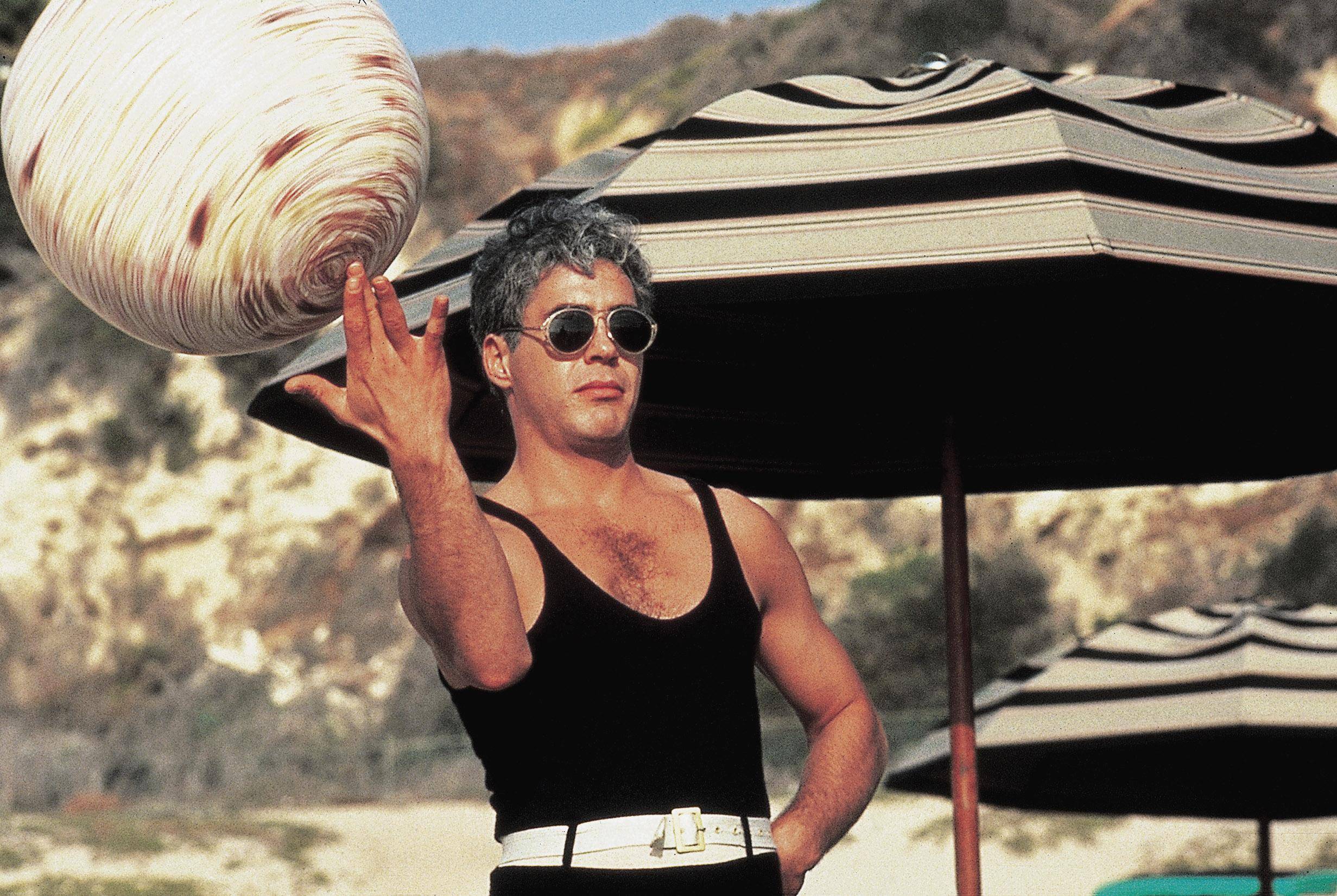
Long before Blue Moon, I had become interested in what happens to songwriting partnerships once their period of effortless alignment has passed. Mike Leigh’s Topsy-Turvy remains one of the most perceptive explorations of that dynamic, concerned less with the triumphs of Gilbert and Sullivan than with the strain of having to continue working together once inspiration has hardened into obligation. A similar preoccupation informed my own novel Debussy’s Slippers, which looks at the creative tensions between George and Ira Gershwin when George outgrew Broadway and yearned to be taken seriously as a composer. It is from that vantage point that Richard Linklater’s film feels less like a biographical exercise than a study in endurance.
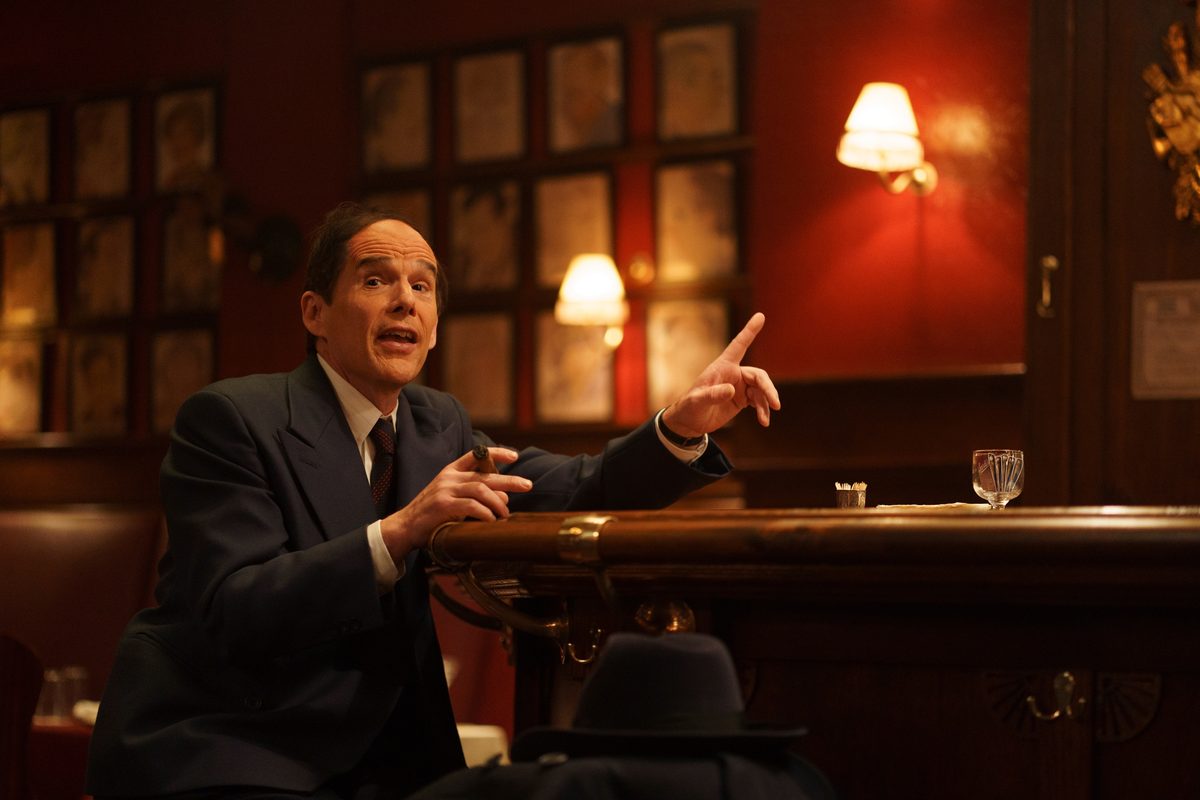
Blue Moon is, on the surface, a modest proposition: a largely self-contained chamber piece in which Ethan Hawke occupies the frame for almost the entire running time, playing lyricist Lorenz Hart in the final stretch of his professional and emotional life. In practice, it is one of the most demanding central performances of Hawke’s career and a persuasive case for his Best Actor nomination. As with Linklater’s Me and Orson Welles, the drama is less concerned with mythologising genius than with observing it at close quarters, under pressure. This is not a role built on transformation or theatrical display, but on sustained presence long after charm has curdled and wit has lost its protective power.
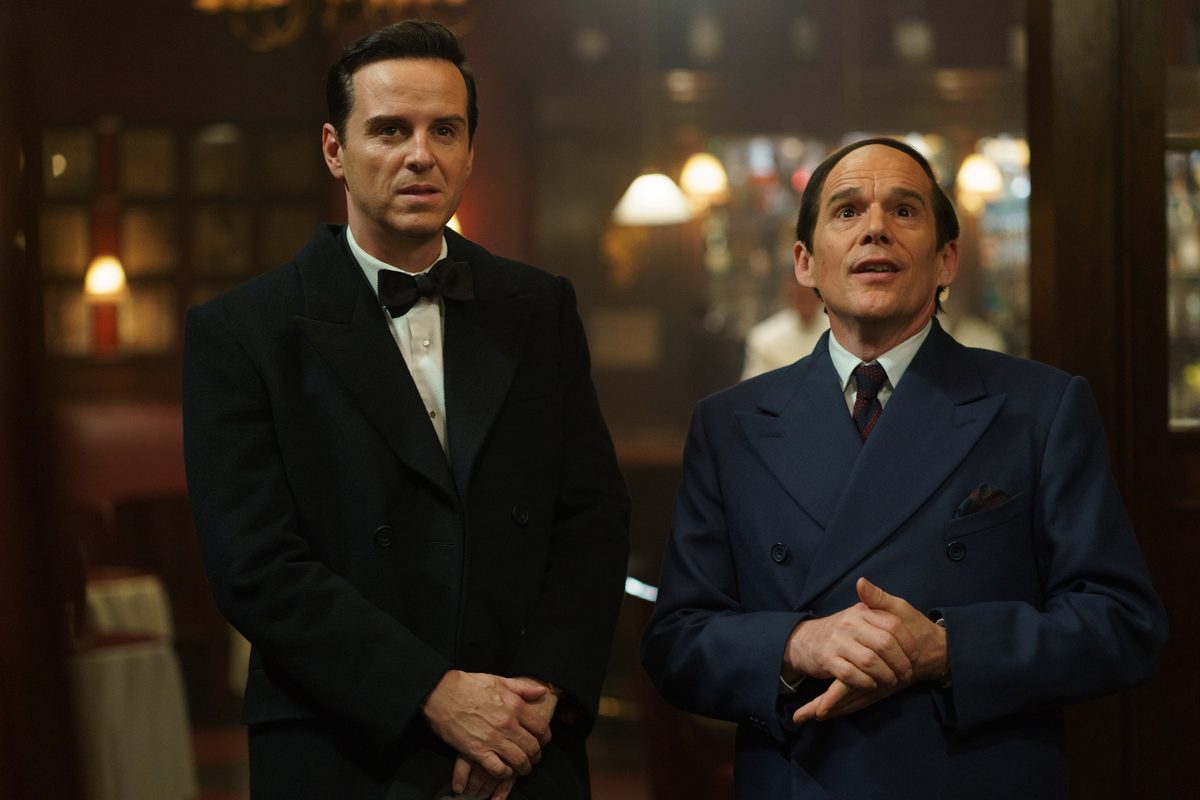
Hawke’s Hart is brittle, brilliant and exhausting, often within the same exchange. The performance resists easy sympathy even as it earns it. Hart is caustic, needy and self-aware to the point of paralysis, acutely conscious of having been left behind. What Hawke understands, and sustains with extraordinary control, is that Hart’s tragedy is not failure but continuation. He is still working, still talking, still returning to the language that once defined him, long after the partnership that gave those words their shape has shifted into something colder. That tension gives the film its shape, and Hawke carries it without relief.
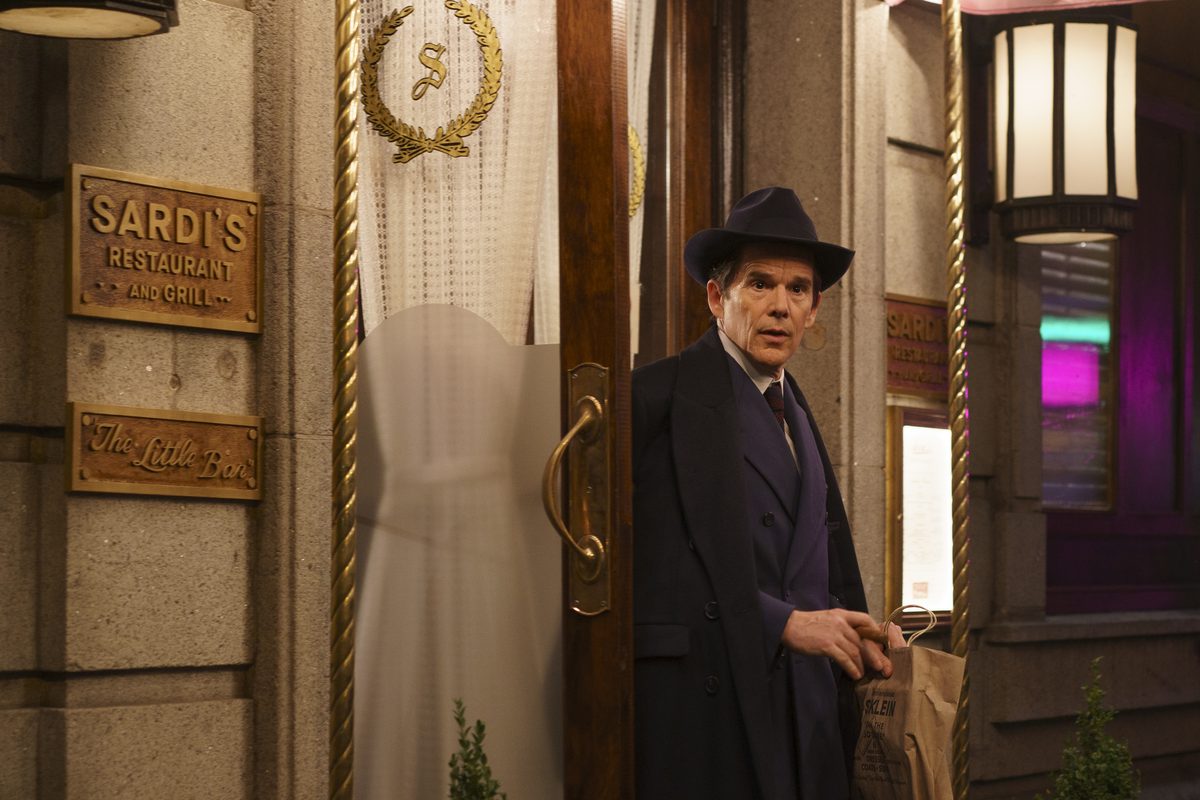
Seen this way, Blue Moon feels less like a late-career flourish than the natural culmination of Hawke’s long collaboration with Linklater. Since his breakout in Dead Poets Society, Hawke has never stopped working across film, theatre and television, finding time to write novels alongside a career that has consistently favoured curiosity over consolidation. His partnership with Linklater, stretching from the Before Trilogy through to this point, has been defined by patience and trust, a shared belief that time itself can be the subject, rather than the enemy, of drama. Blue Moon distils that belief into its purest form.
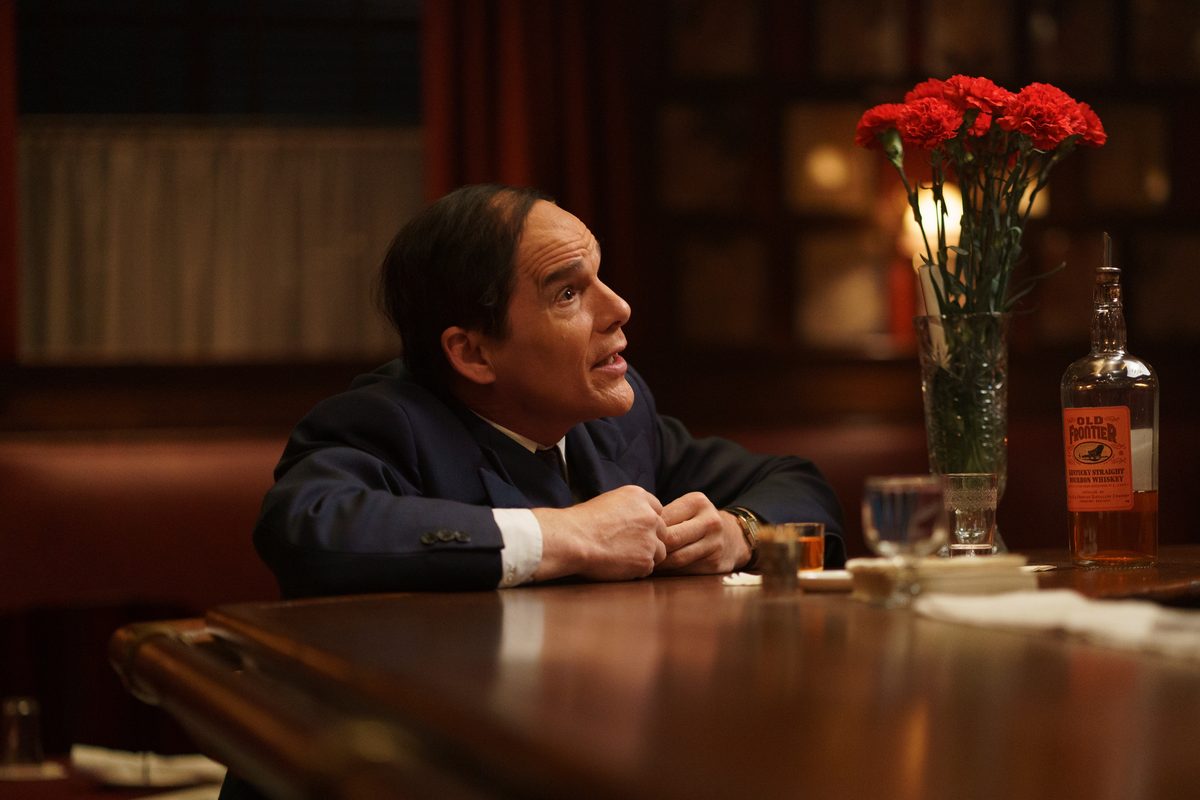
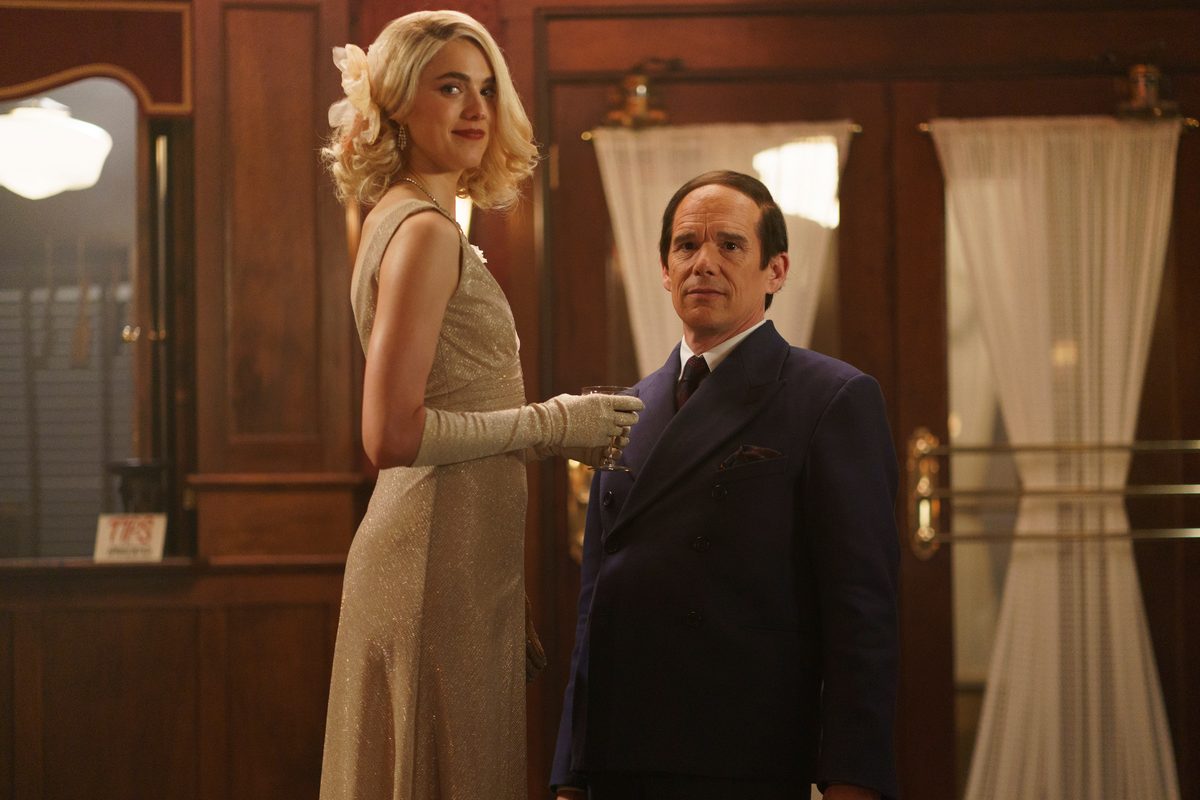
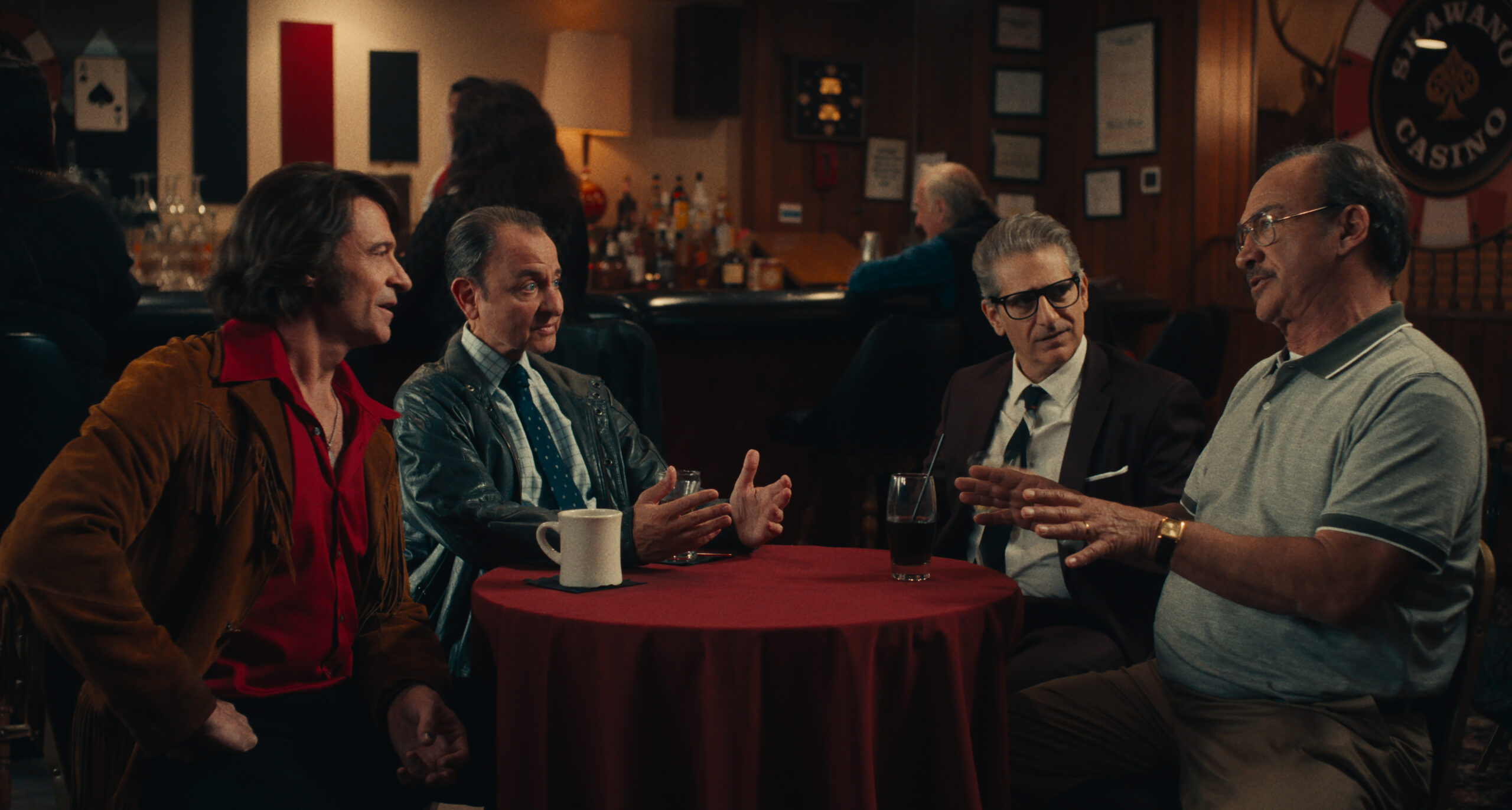
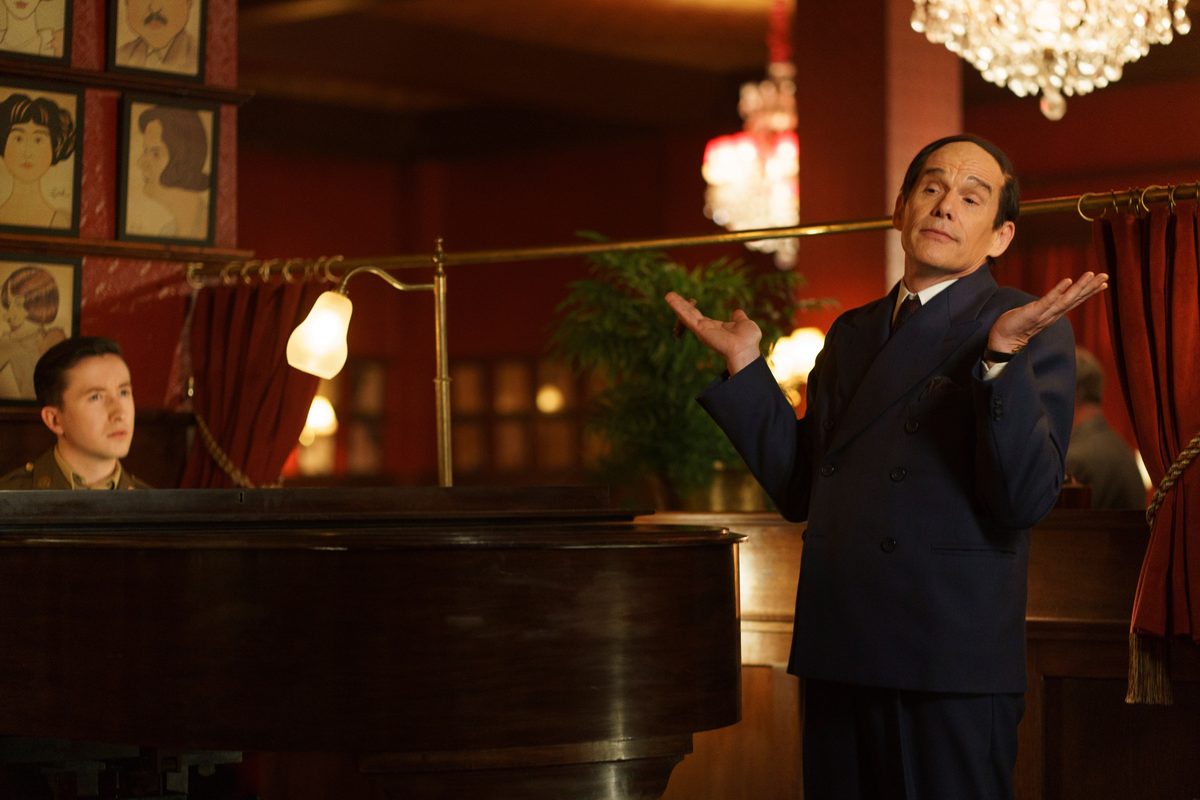
By restricting itself almost entirely to a single location, Blue Moon sharpens its focus rather than narrowing it. The bar used for the afterparty following the opening night of Oklahoma! becomes a pressure chamber, denying Hart the usual escape routes of cinematic storytelling: montage, movement, or the softening passage of years. Time presses inwards instead. The resulting performance feels lived-in rather than sculpted, with Hawke allowing Hart to repeat himself, to circle the same grievances, to exhaust both those around him and, at times, the audience. This persistence is not indulgence. It is strategy. As in Me and Orson Welles, Linklater stages genius not in isolation but in proximity to those who will inherit it, revise it, or quietly move beyond it.
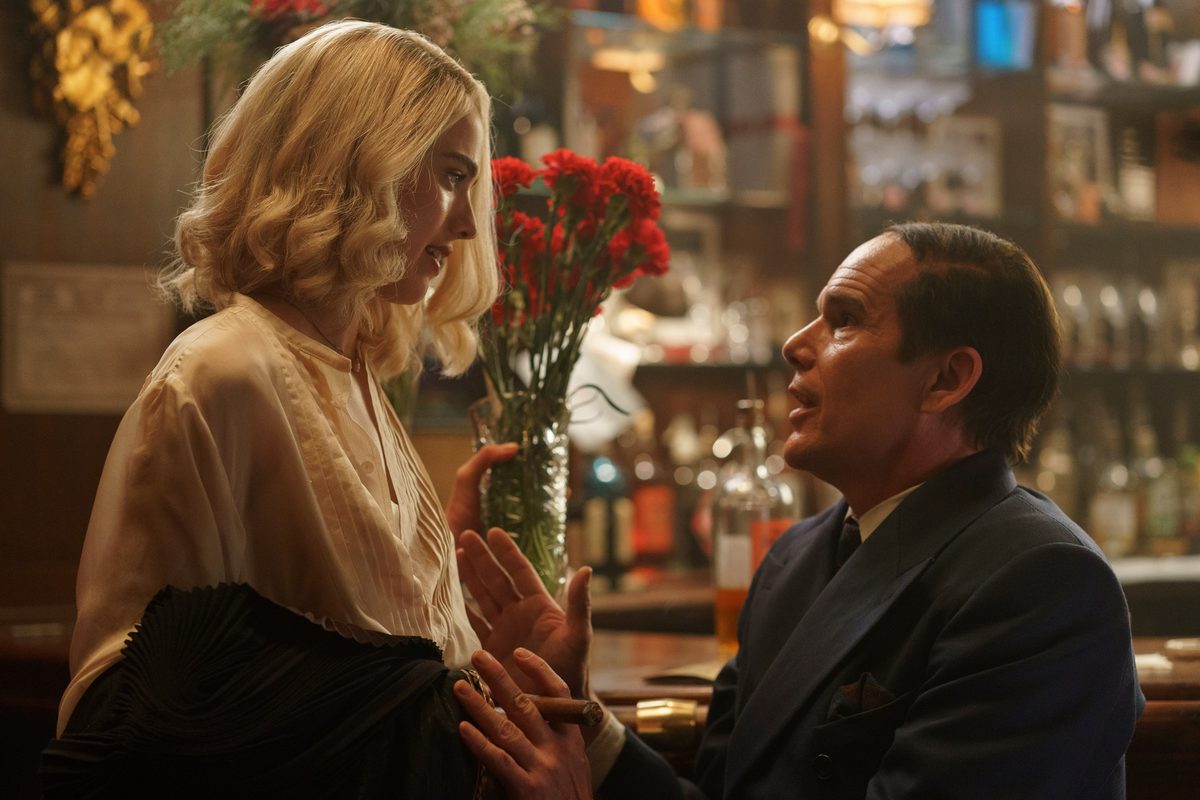
What emerges most clearly from that strategy is the cost of Hart’s brilliance. His gifts are inseparable from the repetition that sustains them, and from the inability to move on even when everyone else has. One small exchange in the bar captures this with particular elegance. Hart casually remarks that ‘weighty affairs will just have to wait’ to a room that includes Oscar Hammerstein and his young protégé Stephen Sondheim, a throwaway line that lands as a sly aside for theatre-literate viewers, all the more so given Sondheim’s later withering assessment of Hart in Finishing the Hat, his self-curated, lyric-by-lyric account of his own work.
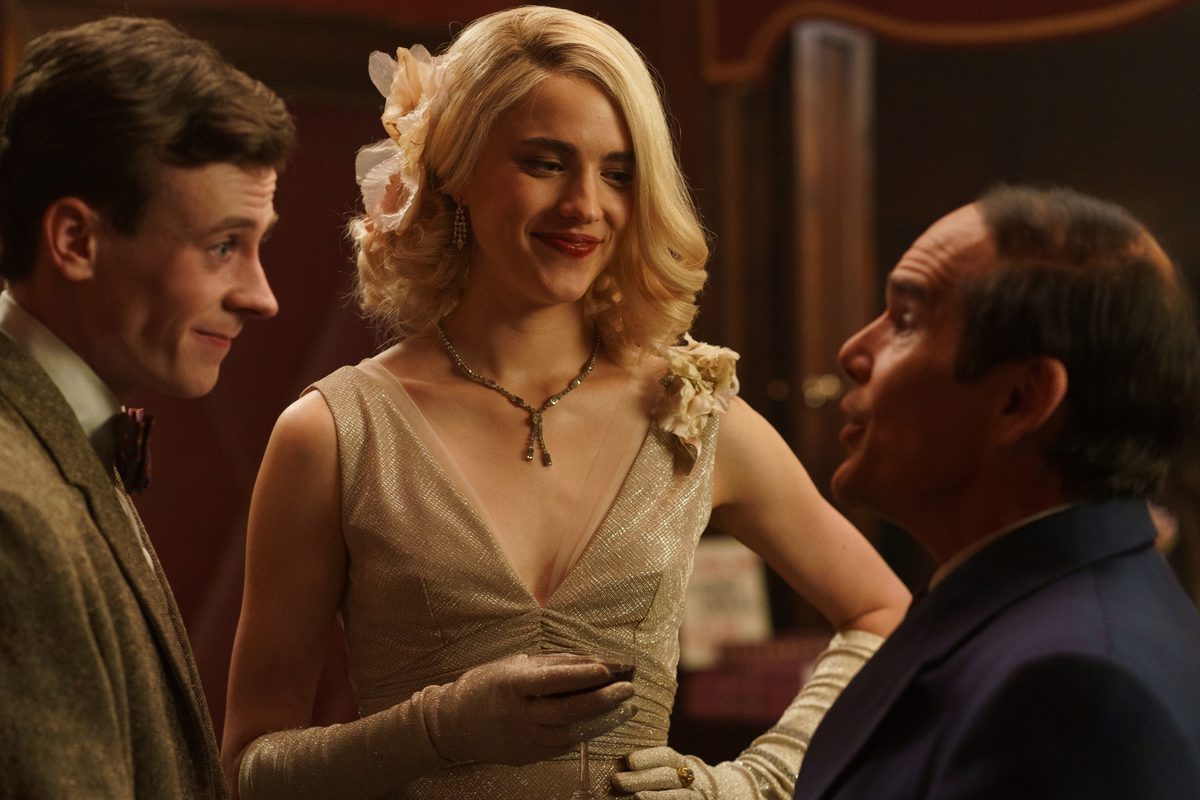
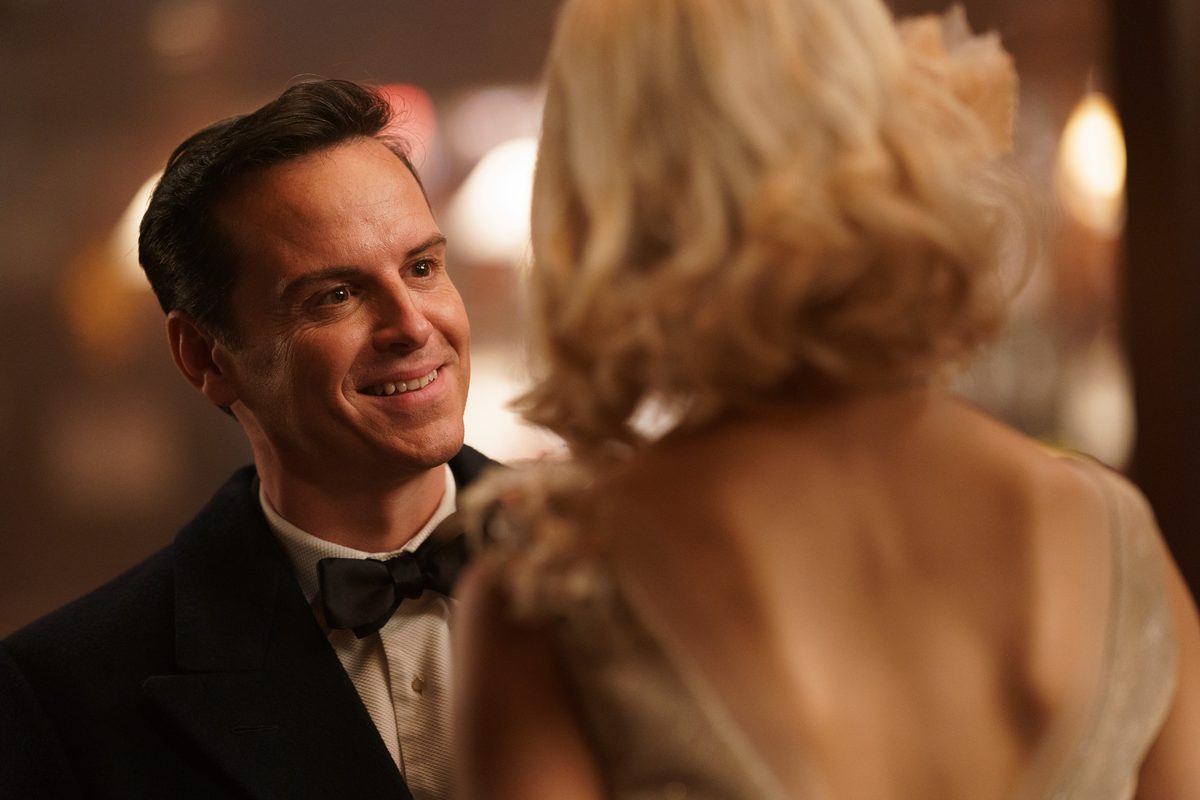
That imbalance is reflected in Andrew Scott’s portrayal of Richard Rodgers. Scott is excellent, but his role is deliberately circumscribed. Rodgers appears calmer, more pragmatic, already half-absent. Where Hart fills the room with language, Rodgers withholds it. The film aligns us with Hart’s perspective, which inevitably means Rodgers feels reduced, even sidelined. This is less a slight on Scott’s performance than a reflection of the film’s emotional geometry. Blue Moon is not interested in balance. It is interested in what imbalance feels like from the inside.
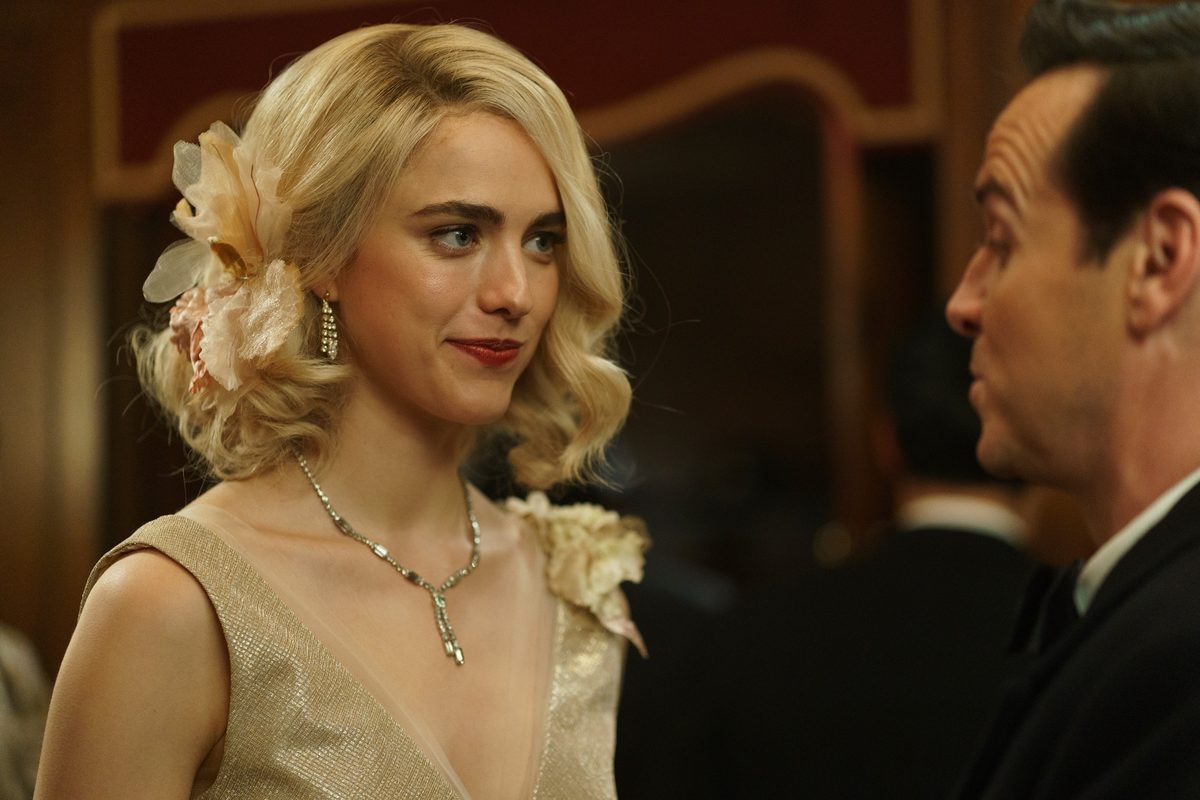
Margaret Qualley, in a supporting turn, offers a telling counterpoint. She brings warmth and intelligence without sentimentality, a presence that highlights Hart’s constrained emotional economy. Qualley has developed a talent for grounding films that revolve around more volatile central performances, and she does so here with quiet assurance. Her scenes never compete for attention, but they subtly reframe Hart’s behaviour, allowing us to see both its allure and its cost.
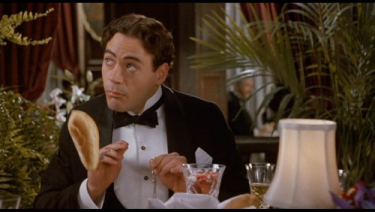
Blue Moon also feels like a natural companion piece to Linklater’s earlier Me and Orson Welles, a film I reviewed when it was first released. That film was animated by the thrill of arrival: youth brushing up against genius, opportunity crackling in the air. It took place in rehearsal rooms and corridors alive with possibility, where collaboration was intoxicating and the future felt provisional. Blue Moon occupies the other end of that spectrum. Here, collaboration has already run its course. Genius is no longer something to be impressed by, but something to be lived with and outlasted.
Where Me and Orson Welles showed a young man learning how proximity to greatness might shape him, Blue Moon shows what it means to be the one left standing when that proximity fades. Linklater’s cinema has rarely been kinder, but it has always been honest. The difference between the two films is not subject matter but perspective: one looks forward, the other looks back, and the space between them is filled with compromise, resentment and endurance.
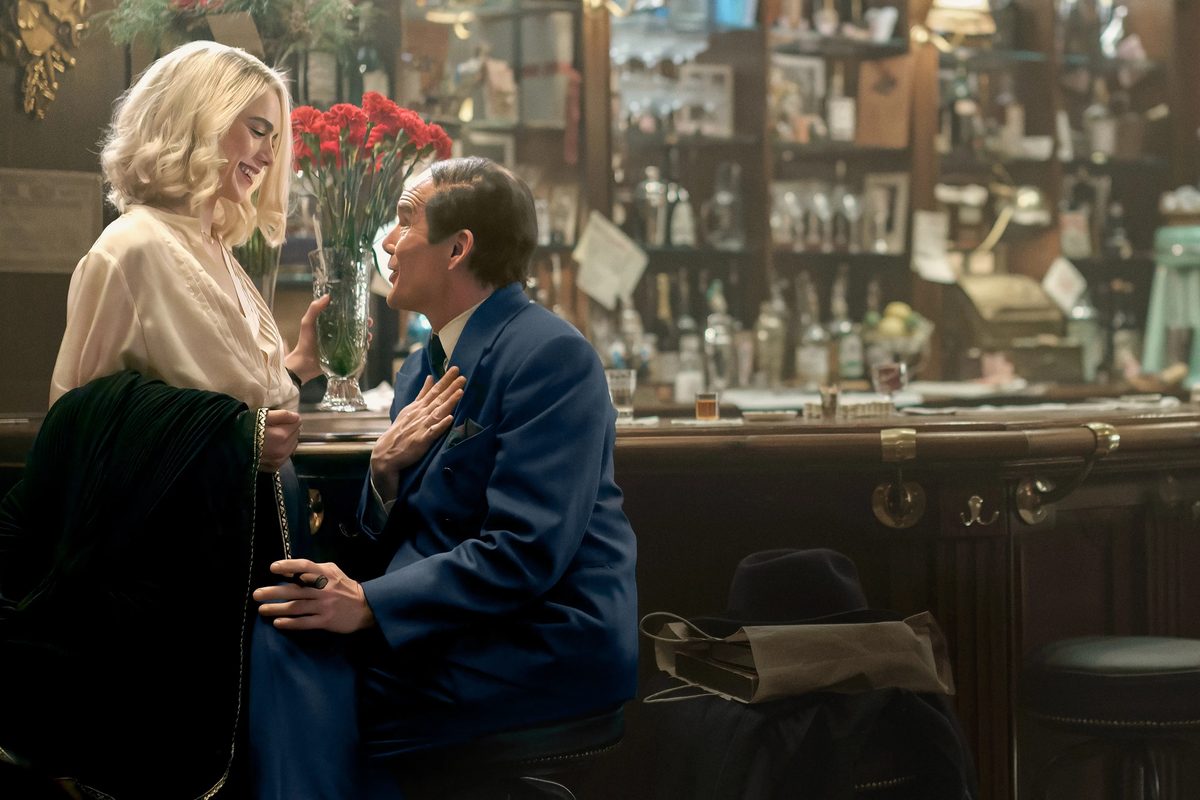
In that sense, Blue Moon may be Linklater’s most unsparing film. It offers no easy redemption, no late-life epiphany to soften Hart’s decline. What it offers instead is attention: sustained, uncomfortable and precise. Hawke’s performance deserves recognition not because it is showy, but because it refuses consolation. It understands that some partnerships define us not by how they end, but by how long we continue to speak their language after the conversation has moved on.